

In cybersecurity, the role of hardware technology is becoming increasingly significant. Hardware is not just a component; it is crucial for ensuring robust cybersecurity measures. As cyber threats grow more sophisticated, they target not only software but also the devices and infrastructure that house sensitive information, highlighting the importance of hardware in safeguarding digital environments.
Key aspects of hardware technology like encryption hardware, smart cards, and biometric devices play an essential role in enhancing data integrity and protection. Businesses and individuals alike are recognizing that hardware-based security measures can offer a solid defense against physical and remote attacks. The importance of maintaining and updating hardware systems cannot be overstated, as it is a key aspect of maintaining security.
Exploring the importance of hardware in cybersecurity brings to light the ongoing debate about hardware versus software in providing the best defense mechanisms. By understanding the strengths of each, one can better appreciate the necessity of integrating both into a comprehensive security strategy.
Hardware as the Foundation of Cybersecurity
Hardware plays a fundamental role in cybersecurity, acting as the base for secure systems. It provides solid protection against attacks and ensures that digital information remains safe. However, hardware security faces specific challenges needing attention to maintain effectiveness.
Critical Role of Hardware in Securing Systems
Hardware is essential in protecting systems from cyber threats. Devices like hardware security modules and encryption hardware add extra layers of protection. These components are designed to handle sensitive data securely, ensuring that information is protected at the deepest level of a device.
A secure hardware foundation is crucial for devices such as computers and smartphones. This base not only protects the physical components but also strengthens how software operates. Securing hardware helps prevent breaches that could compromise entire networks, making it indispensable in modern cybersecurity strategies.
Challenges in Hardware Security
Despite its importance, hardware security faces challenges. Vulnerabilities in physical components can be exploited by attackers, leading to potential breaches. Regular maintenance, such as firmware updates and patch management, is vital to address these weaknesses and keep hardware safe.
Keeping hardware technology up-to-date can minimize risks. However, this requires continuous effort and coordination among device manufacturers and users. By recognizing and addressing these challenges, more resilient devices can be developed, ensuring stronger defenses against evolving cyber threats.
Innovations in Hardware for Enhanced Cybersecurity
Recent advances in hardware play a key role in boosting cybersecurity measures. Among these innovations, Trusted Platform Modules (TPMs) and Hardware Security Modules (HSMs) stand out for their ability to enhance security protocols and protect sensitive data.
Trusted Platform Modules (TPMs)
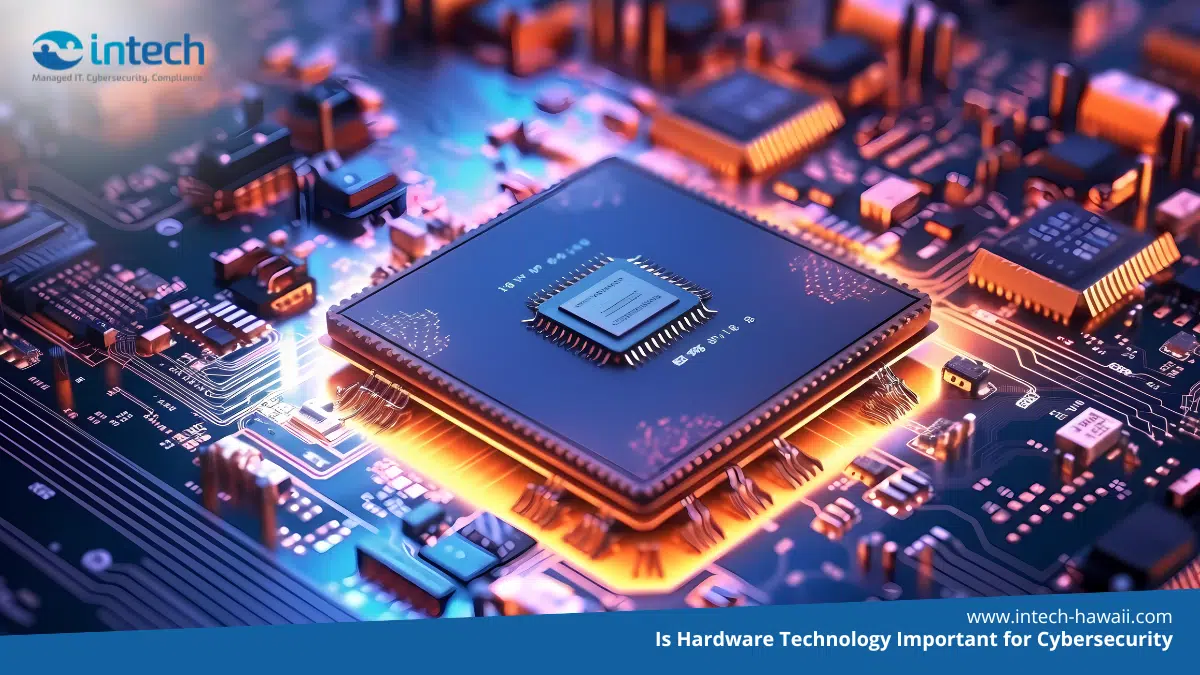
Trusted Platform Modules are specialized chips designed to secure hardware through integrated cryptographic keys. TPMs offer a hardware-level security feature that prevents unauthorized access and ensures data integrity.
By storing cryptographic keys in a separate hardware environment, TPMs protect against various malware attacks. They facilitate secure boot processes by verifying the system state before the operating system fully loads.
TPMs also enable encryption to protect sensitive information. As a vital security element, they verify and authenticate system integrity. This makes them crucial for safeguarding identity and access management in complex computing environments.
Hardware Security Modules (HSMs)
Hardware Security Modules are devices that manage cryptographic keys within a strong security framework. HSMs provide both physical and logical protection against unauthorized data access and manipulations.
These modules are used in environments that require high levels of security, such as financial institutions and government agencies. By offering encryption and decryption functions, they secure sensitive data against hacking attempts and prevent data breaches.
Their ability to process cryptographic operations swiftly benefits applications like digital signatures and secure transactions. HSMs are integral in maintaining compliance with regulations that require robust data protection methods, making them highly valuable in industries demanding stringent security measures.
The Intersection of Software and Hardware in Security
In the world of cybersecurity, both software and hardware play critical roles. Understanding how they interact can enhance protection against threats. Key aspects of this interaction include firmware integrity and secure boot processes.
Firmware Integrity and Protection
Firmware acts as the bridge between hardware and software. Its security is vital because it controls hardware functions. If compromised, it can lead to data breaches and system damage. Ensuring the integrity of firmware involves regular updates and monitoring for unauthorized changes.
Integrity checks can be done using cryptographic signatures which verify if the firmware is genuine and untampered. Automated systems can alert administrators if changes occur without authorization. By maintaining rigorous firmware checks, potential threats can be minimized.
Companies might also use hardware security modules (HSM) to further protect firmware data. These devices store encryption keys in a secure manner, providing an additional defense layer against unauthorized firmware modifications.
Secure Boot Processes
A secure boot process prevents the execution of unauthorized or malicious code during startup. It ensures that only firmware and operating system elements that are trusted and validated can be loaded. This is crucial in preventing rootkits and other malicious software from taking control of a device.
Secure boot uses digital certificates to authenticate software components during the system’s boot-up. If the authentication fails, the system won’t start the software, protecting against unauthorized tampering.
Manufacturers often implement secure boot processes by integrating Trusted Platform Modules (TPM) within the device. These modules handle the encryption and decryption tasks necessary for authentication, adding a strong layer of protection during startup. This makes secure boot a vital part of ensuring hardware and software interoperability in cybersecurity.
Partner with Intech Hawaii for Advanced Cybersecurity Solutions
As hardware technology continues to evolve, its critical role in cybersecurity cannot be overlooked. From Trusted Platform Modules (TPMs) to Hardware Security Modules (HSMs), ensuring the integrity and security of your hardware is essential for safeguarding sensitive data and preventing breaches.
At Intech Hawaii, we understand the intersection of hardware and cybersecurity. Our team for advanced cybersecurity solutions specializes in integrating advanced hardware technologies with comprehensive security strategies to protect your systems against sophisticated threats. Whether it’s firmware integrity, secure boot processes, or hardware-based encryption, we provide tailored solutions to keep your business secure.
???? Contact us today to learn how we can strengthen your cybersecurity posture with the latest hardware innovations. Discover more here.
Take the first step toward a resilient cybersecurity framework with Intech Hawaii as your trusted partner.
