

Many businesses rely on technology every day, making them vulnerable to cyber attack. These attacks can cause serious damage, from stolen data to lost money and trust. Being ready for a cyber attack means having a clear IT plan and strong defenses in place before anything happens.
It’s important to understand that nearly half of all cyber attacks target small businesses, which often lack the resources to recover quickly. Preparing for a cyber attack includes training employees, securing systems, and knowing how to respond to threats. This preparation can make the difference between a minor disruption and a major crisis.
As a trusted cybersecurity services provider in Honolulu, Intech Hawaii helps businesses assess risks, strengthen their defenses, and stay ahead of evolving threats, so they can operate with confidence and peace of mind.
Assessing Your Business’s Cybersecurity Readiness
Understanding how a business faces cyber threats requires a clear look at its policies, common risks, and weak points. This step-by-step assessment helps spot areas needing improvement and prepares the company to respond better.
Recognizing Common Cyber Threats
Cyber threats come in many forms. Some of the most common include phishing, ransomware, malware, and insider threats. Phishing tries to trick employees into giving away passwords or clicking harmful links. Ransomware locks data and demands payment to release it.
Businesses must understand these threats to spot warning signs early. Training staff to identify suspicious emails and unsafe websites reduces risk. Monitoring network activity can also catch unusual patterns that hint at an attack.
Evaluating Security Policies and Procedures
A company’s security policies set the rules for protecting data. These rules should cover password strength, access controls, and how devices connect to the network. Procedures must be clear on how to update software and handle security incidents.

Regular reviews of these policies ensure they keep up with new threats. Testing incident response plans through drills helps staff practice what to do if an attack happens. Lack of strong policies often leads to confusion and slow response during a cyber event.
Identifying Vulnerabilities and Gaps
Vulnerabilities are weak spots in technology or processes that hackers can exploit. These can include outdated software, open network ports, or limited employee awareness. Gaps may also exist in monitoring tools or response plans.
Using tools like vulnerability scanners highlights technical weaknesses. Conducting a security readiness assessment helps evaluate infrastructure, tools, and team skills. Prioritizing fixes on high-risk issues improves the company’s defense against attacks.
Strengthening Defenses Against Cyber Attacks
Building strong defenses requires the right technology, well-trained staff, clear action plans, and ongoing checks. Each part plays a critical role in reducing risks and responding quickly if an attack happens.
Implementing Protective Technologies
Using up-to-date protective technologies is essential to stop cyber threats. Firewalls act as a barrier between a business’s network and outside sources, blocking unauthorized access. Antivirus and anti-malware software detect and remove harmful software before it spreads.
Multi-factor authentication (MFA) adds an extra layer of security by requiring users to provide two or more proofs of identity. Encryption protects sensitive data, making it unreadable to hackers. Regular software updates fix security weaknesses so hackers cannot exploit them.
Combining these technologies creates a strong defense against common attacks like phishing, ransomware, and data breaches.
Training Employees on Cybersecurity Best Practices
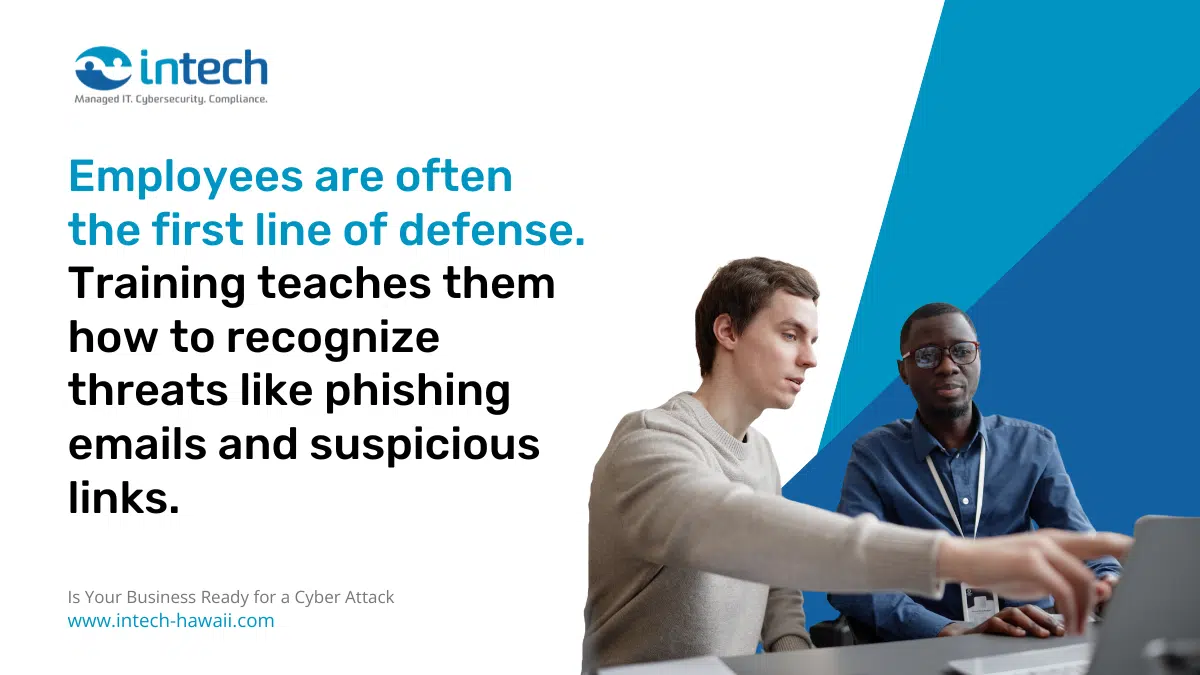
Employees are often the first line of defense. Training teaches them how to recognize threats like phishing emails and suspicious links. It also covers strong password creation and safe use of public Wi-Fi.
Business owners should run regular training sessions using clear examples and tests. This helps employees remember key lessons and apply them daily. Training should also include protocols for reporting potential security issues immediately.
Engaged and informed staff reduce the chance of human error that cybercriminals exploit.
Developing an Incident Response Plan
An incident response plan guides a business on what to do during a cyberattack. It sets clear steps for identifying the issue, containing damage, and restoring systems quickly. The plan should assign roles to specific people for communication and decision-making.
Key parts of the plan include how to preserve evidence, notify affected parties, and work with law enforcement if needed. Testing the plan regularly through drills helps ensure everyone knows their task under pressure.
Having a detailed response plan minimizes downtime and losses when attacks occur.
Conducting Regular Security Audits
Security audits check how well defenses are working and find weak spots before attackers do. They review network settings, software updates, user access levels, and compliance with security policies.
Audits may involve penetration testing, where experts try to hack the system to uncover vulnerabilities. Businesses should schedule audits at least twice a year or after major changes to their IT environment.
Results guide improvements and keep security measures aligned with new threats or regulations. Regular audits maintain strong protection over time.
Protect Your Business Before It’s Too Late
Cyber attack is constant—and growing. Don’t wait for an attack to expose your weaknesses. Intech Hawaii, Honolulu’s trusted cybersecurity services provider, is here to help you take control with expert assessments, proactive solutions, and real-time protection.
Secure your business today. Contact Intech Hawaii for a customized cybersecurity strategy.
