

In 2025, cybersecurity is more crucial than ever as cybercrime is anticipated to inflict significant financial damages globally. Implementing robust cybersecurity strategies is essential to protect sensitive data and ensure organizational resilience. Organizations need to prioritize their approach by embedding security into every aspect of their design and operations.
Improving cybersecurity involves focusing on key elements that prevent unauthorized access and minimize potential breaches. Best practices like end-to-end encryption and tokenization can make intercepted data useless to attackers. By adopting these measures, businesses can maintain data integrity and trustworthiness.
Regular updates and continuous refinement of security protocols can keep organizations resilient against emerging threats. Revisiting cybersecurity strategies regularly ensures compliance and robustness in the face of new challenges. Staying proactive with their security measures can help companies mitigate risks effectively.
Foundational Cybersecurity Principles
Understanding the foundational principles of cybersecurity is essential for safeguarding digital assets in a rapidly changing threat environment. Key elements include frameworks for managing risks, comprehensive asset inventory practices, regular updates through secure configuration, and adherence to cybersecurity compliance standards to meet legal and industry regulations.
Risk Management Frameworks
Effective risk management is crucial in cybersecurity. Organizations often use frameworks like NIST or ISO to identify, analyze, and respond to risks. These frameworks help prioritize threats based on their probability and impact.
By implementing a structured approach, companies can establish clear guidelines for risk assessment. This involves ongoing monitoring and updating of policies as new threats emerge. Such frameworks ensure that the organization remains adaptable and resilient, protecting critical data and infrastructure while aligning security efforts with business goals.
Asset Inventory and Management
Keeping track of all digital and physical assets is a fundamental aspect of cybersecurity. Asset inventory involves cataloging all hardware and software that a company uses. This helps in understanding what is at risk and how best to protect these assets.
A detailed inventory allows for efficient vulnerability management, as it highlights outdated systems that require upgrades. It also helps identify unauthorized devices connected to the network. Regular audits ensure that this inventory remains current, providing a robust framework for ongoing security measures.
Secure Configuration and Patch Management
Secure configuration involves setting systems up correctly to minimize vulnerabilities. It’s important to adjust default settings to enhance security and ensure configurations comply with security policies. Tools often help automate this process, maintaining a consistent security posture.
Patch management is equally vital. Regularly updating software and firmware protects against known vulnerabilities. Establishing a routine for patch deployment, including testing and validation, reduces exposure to threats. Effective management helps limit the attack surface, safeguarding against potential breaches.
Advanced Threat Detection and Response
In 2025, advanced threat detection and response are essential components of any cybersecurity strategies. Leveraging technologies like behavioral analytics, machine learning, and automated response systems can significantly enhance an organization’s ability to counter cyber threats effectively.
Behavioral Analytics and Machine Learning
Behavioral analytics and machine learning are crucial for identifying unusual patterns in network activity. These technologies analyze vast amounts of data to find irregularities that may indicate a cyber threat. By recognizing even subtle deviations in behavior, organizations can spot potential threats before they cause harm.
Machine learning algorithms use historical data to improve detection accuracy over time. This makes it possible to adapt to new threats that traditional signature-based systems might miss. This approach is particularly effective against sophisticated attacks that evolve rapidly.
Endpoint Detection and Response (EDR)

Endpoint Detection and Response (EDR) tools monitor all endpoints within a network, such as computers and mobile devices, to provide real-time threat detection. They can identify suspicious activities and respond quickly to contain potential breaches.
EDR systems often include capabilities like threat hunting and forensic analysis, which allow for a deeper investigation into incidents. This helps security teams understand the nature of the threats they face and respond more effectively.
Using EDR solutions reduces the time to detect and mitigate threats, crucial for minimizing damage. They not only provide alerts but also assist in remediation efforts, enhancing the overall security posture of an organization.
Security Orchestration, Automation, and Response (SOAR)
Security Orchestration, Automation, and Response (SOAR) platforms enable organizations to automate routine security tasks, streamline workflows, and manage incidents more efficiently. This helps security teams focus their efforts on more complex threats.
SOAR solutions integrate with various security tools, allowing for comprehensive threat management. By automating processes like data collection and incident response, SOAR reduces the time and effort required to address security issues.
This automation ensures that responses are consistent and timely, which is vital for maintaining robust defenses. SOAR platforms also facilitate better collaboration among security team members, enabling them to work more efficiently.
Cultivating Cybersecurity Awareness
Building a strong cybersecurity culture involves equipping employees with the necessary knowledge and skills. Protecting against social engineering is vital, as these attacks often target human behavior rather than technology vulnerabilities.
Employee Training Programs
Effective training programs are essential for ensuring that employees understand cybersecurity risks and best practices. Training should include up-to-date information on potential threats and specific guidelines for identifying and handling issues. Interactive learning methods, such as workshops and simulations, can make training more engaging and memorable.
Gamification is an innovative approach that’s gaining traction. Integrating game-like elements into training can increase participation and retention. This method helps employees practice identifying potential threats in a safe setting, enhancing their ability to recognize real-world risks.
Regular assessment of the training program’s effectiveness is important. Feedback from employees can offer insights into areas needing improvement and help tailor the program to address specific concerns or gaps in understanding.
Social Engineering Defense Strategies
Defending against social engineering requires more than technology; it demands awareness and vigilance from every team member. Social engineering attacks can take many forms, such as phishing emails, pretexting, or tailgating. Training employees to spot these tactics is vital.
One of the effective cybersecurity strategies implementing regular phishing simulations. By mimicking potential attacks, organizations can test employees’ ability to respond correctly and improve reaction times, reducing the risk of real breaches. It’s also crucial to maintain open communication channels where employees can report suspicious activities without fear.
Additionally, creating a culture of security mindfulness is important. Encouraging employees to verify unfamiliar requests and to always use secure methods of communication can further bolster organizational defenses.
Regulatory Compliance and Data Privacy
Organizations in 2025 must be vigilant in adhering to global data regulations and implementing proactive data privacy measures. These efforts protect not only sensitive information but also maintain trust and transparency with customers and stakeholders.
Global Data Protection Regulations
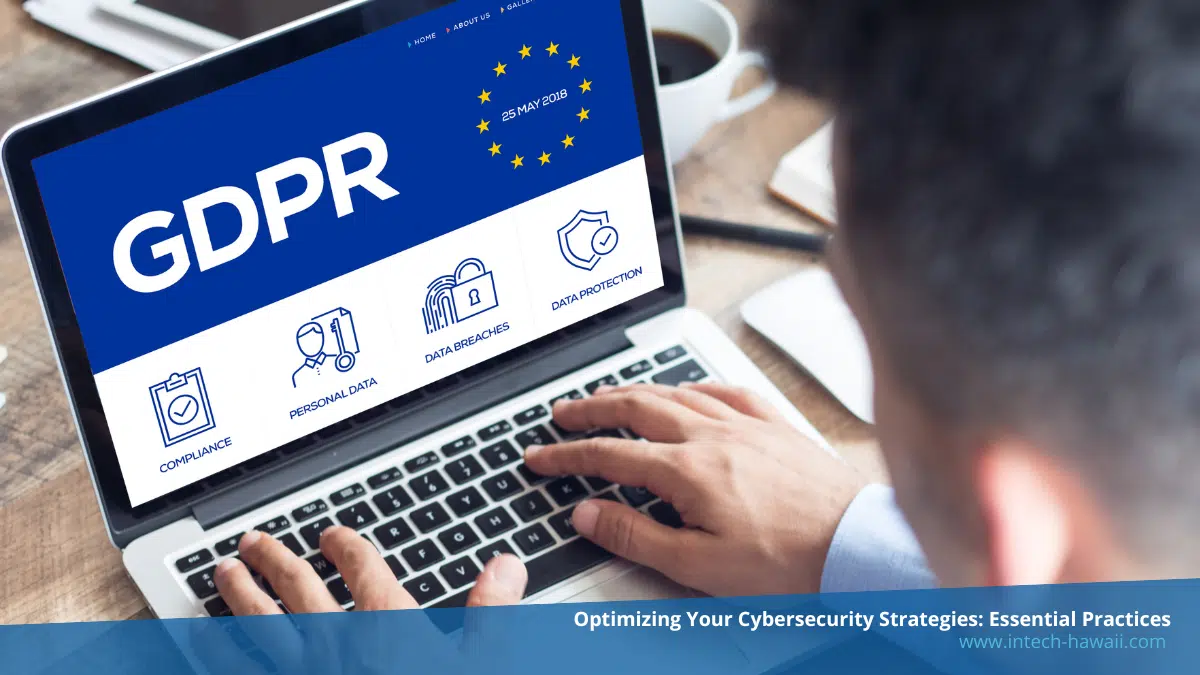
Governments worldwide have established strict data protection regulations to ensure individuals’ privacy rights. The General Data Protection Regulation (GDPR) in the European Union sets a global standard with principles like data minimization and user consent.
In the United States, laws such as the California Consumer Privacy Act (CCPA) require businesses to disclose data collection practices. Compliance helps organizations avoid heavy penalties and reputational damage. Adapting to these diverse regulations involves understanding each region’s requirements and implementing practices to store, manage, and process data accordingly. Companies can leverage guidance from frameworks and employ compliance officers to ensure adherence.
Privacy by Design Framework
The Privacy by Design framework integrates data privacy into every stage of a product’s lifecycle, from design to deployment. This approach ensures that privacy measures are not just an afterthought but a fundamental component of system architecture.
Key principles include embedding privacy controls, conducting regular audits, and promoting user data control. For example, implementing data anonymization techniques minimizes risk. Organizations are encouraged to adopt technologies and policies that support these principles, thereby enhancing data protection. Proactive measures like these not only align with regulatory expectations but also build consumer trust by prioritizing their privacy. Regular training and awareness programs can further embed a culture of privacy.
Strengthen Your Cybersecurity Strategies with Intech Hawaii
Cyber threats are evolving, and cybersecurity strategies must adapt to protect your business. From risk management and advanced threat detection to employee training and compliance, ensuring robust security measures is essential.
Is your business prepared for the latest cyber threats? Intech Hawaii offers cutting-edge cybersecurity solutions tailored to safeguard your data, prevent breaches, and maintain compliance.
Looking for reliable IT support and services in Honolulu? We provide expert IT Services and Support in Honolulu to help businesses strengthen their cybersecurity posture.
???? Contact us today to schedule a cybersecurity assessment and fortify your business against ever-growing cyber risks.
