

Cybersecurity compliance is not just an option—it’s a necessity. It involves adhering to a set of laws, regulations, and standards curated to protect an organization’s digital assets from various cyber threats. Compliance ensures that businesses maintain high security standards, reducing the risk of unauthorized access and breaches.
For industries such as healthcare and finance, compliance is particularly critical. These sectors often handle sensitive data that require stringent protection measures. Adhering to specific cybersecurity compliance requirements safeguards this information and upholds public trust. For more insights on specific industry needs, you can explore cybersecurity compliance requirements.
Organizations that prioritize cybersecurity compliance demonstrate their commitment to security and privacy. This approach not only helps in minimizing risks but also enhances operational efficiency. For a deeper understanding of its role in shaping organizational security, consider exploring standard practices in cybersecurity compliance.
Understanding Cybersecurity Compliance
Cybersecurity compliance involves adhering to established laws, regulations, and standards that safeguard digital information and systems from unauthorized access and cyber threats. Organizations across sectors are bound by these guidelines to ensure secure data handling and mitigate risk.
Definition and Importance
Cybersecurity compliance means following a specified set of rules designed to protect digital assets. These rules can be legally mandated by governmental bodies or recommended by industry groups. By complying, organizations work to prevent unauthorized access, data breaches, and cyberattacks. This compliance is particularly crucial in sectors such as healthcare and finance, where sensitive data is frequently handled. The importance of maintaining compliance lies in protecting an organization’s reputation and ensuring customer trust. Organizations that fail to meet these standards risk losing valuable information and facing legal repercussions.
Key Objectives of Compliance
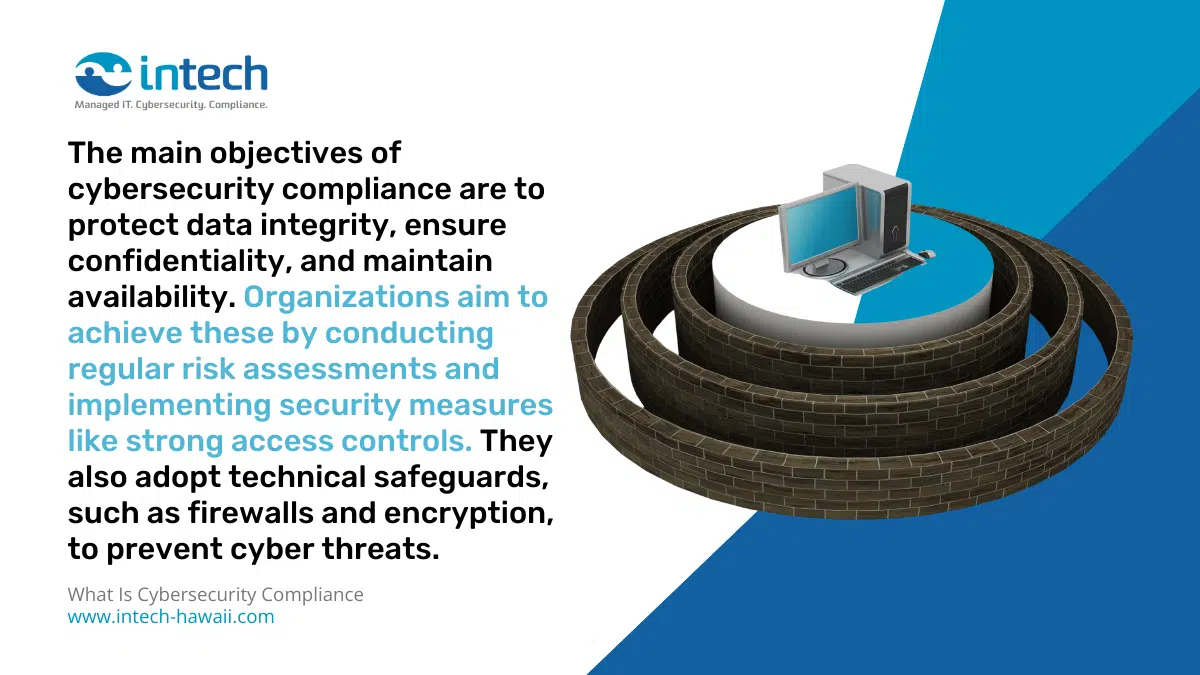
The main objectives of cybersecurity compliance are to protect data integrity, ensure confidentiality, and maintain availability. Organizations aim to achieve these by conducting regular risk assessments and implementing security measures like strong access controls. They also adopt technical safeguards, such as firewalls and encryption, to prevent cyber threats. Another goal is to create a culture of security awareness among employees. This involves training programs and clear policies to guide behavior, limiting the risk of human error. Meeting these objectives signifies an organization’s commitment to maintaining robust security protocols to guard against potential threats and vulnerabilities.
Major Compliance Frameworks
Major compliance frameworks in cybersecurity focus on specific areas like data protection, healthcare information, and payment security. These frameworks provide structured approaches to manage security risks and ensure legal compliance.
ISO 27001/27002 Standards
The ISO 27001/27002 Standards are internationally recognized frameworks dedicated to information security management. ISO 27001 provides a systematic approach to managing sensitive company information, while ISO 27002 offers guidelines to help implement the controls outlined in ISO 27001.
Organizations use these standards to protect data from threats such as unauthorized access, ensuring confidentiality, integrity, and availability. Achieving certification in these standards can also enhance a company’s reputation with clients and partners, as it demonstrates a commitment to information security.
Health Insurance Portability and Accountability Act (HIPAA)
HIPAA is a U.S. law that outlines the legal obligation for healthcare providers to protect sensitive patient data. This framework sets standards for the protection of health information (PHI) and requires healthcare entities to put safeguards in place to ensure data privacy and security.
The act mandates comprehensive recordkeeping and reporting requirements and establishes penalties for non-compliance. HIPAA compliance is vital for avoiding data breaches and maintaining patient trust.
Payment Card Industry Data Security Standard (PCI DSS)
The PCI DSS is essential for any organization that processes credit card payments. It outlines a series of security requirements aimed at protecting cardholder data.
Businesses must implement measures such as building secure networks, ensuring encryption, and maintaining vulnerability management programs. Compliance with PCI DSS not only helps prevent data breaches and fraud but is often required by financial partners and industry contracts to assure a secure payment environment.

Implementing Compliance Programs
Implementing compliance programs in cybersecurity involves several critical steps that ensure an organization remains safeguarded against cyber threats. These include conducting thorough risk assessments, developing strategic policies, training, and continuously monitoring systems for ongoing improvements.
Risk Assessment and Analysis
Risk assessment is the foundational step in implementing a cybersecurity compliance program. It involves identifying and evaluating the risks facing an organization’s digital infrastructure. This includes assessing internal systems, external threats, and potential vulnerabilities. Organizations must categorize and prioritize risks based on their potential impact and likelihood of occurrence.
A structured risk analysis helps create effective strategies to mitigate identified threats. Integrating this analysis into decision-making ensures the organization focuses on the most critical security needs. This comprehensive approach not only prepares the organization for potential threats but also aligns cybersecurity efforts with overall business objectives.
Policy Development and Training
Developing detailed cybersecurity policies is essential in guiding organizational behavior and setting expected security standards. These policies should cover all aspects of information security, defining procedures for data protection, login credentials, remote access, and incident response. Clear policies help standardize security practices across the organization and ensure consistency.
Training programs linked to these policies are critical. They must involve regular sessions for all employees to understand their role in maintaining compliance. These programs should combine theoretical knowledge with practical exercises, enhancing readiness and security awareness. Through training, employees become active participants in safeguarding the company’s digital assets.
Continuous Monitoring and Improvement
Continuous monitoring is vital in keeping the cybersecurity compliance program effective and responsive to changing threats. This involves using advanced tools and technologies that provide real-time alerts and comprehensive reporting on system activities. Monitoring should focus on detecting anomalies, unauthorized accesses, and potential breaches.
An essential component is regular audits and reviews, which highlight areas of improvement and ensure compliance with current regulations. Organizations need to adapt their compliance strategies to new threats, leveraging findings from these audits. Continuous improvement not only helps in maintaining robust security but also aligns the compliance program with evolving industry standards and best practices.
